How Often Should You Service Your Car? A Worcester Driver’s Guide
Many drivers only think about servicing their car when a warning light appears, the MOT is due or something doesn’t feel quite right. However, waiting until a problem develops can often lead to unnecessary repairs, higher costs and unexpected breakdowns.
If you’re searching for Car Servicing in Worcester, one of the most common questions is how often a vehicle should actually be serviced. The answer isn’t always as straightforward as every 12 months. It depends on your vehicle, how you drive it and how many miles you cover each year.
Whether you’re commuting around Worcester, travelling between Droitwich and Malvern or using your car daily for work across Worcestershire, regular servicing is one of the simplest ways to keep your vehicle safe, reliable and economical to run.
In this guide, we’ll explain how often your car should be serviced, what’s included in each type of service and why routine maintenance can save you money in the long term.
Quick Answer
Most manufacturers recommend servicing your car every 12 months or every 12,000 miles, whichever comes first. However, if you regularly make short journeys, drive in heavy traffic, tow trailers or cover high annual mileage, your vehicle may benefit from more frequent servicing. Keeping to the recommended service schedule helps improve reliability, maintain fuel efficiency, reduce repair costs and increase the chances of passing your annual MOT.
What You’ll Learn
In this guide, we’ll explain what a car service involves, how often different vehicles should be serviced, the difference between interim, full and major services, how servicing can help prevent expensive repairs and why regular maintenance is one of the best ways to protect your vehicle.
What Is A Car Service?
A car service is a routine inspection and maintenance programme designed to keep your vehicle running safely and efficiently.
Unlike an MOT, which checks whether your vehicle meets the minimum legal safety and environmental standards, a service focuses on maintaining the overall health of the vehicle. It allows technicians to replace worn service items, inspect important mechanical components and identify developing faults before they become major problems.
A typical service includes replacing engine oil and filters, checking fluid levels, inspecting brakes, tyres, steering and suspension, testing the battery and examining many of the components that naturally wear over time.
Think of servicing in the same way as having a regular health check. Your car may appear to be running perfectly, but hidden wear or small faults can develop long before you notice any symptoms.
Why Is Regular Servicing So Important?
Modern vehicles are built to a very high standard, but every moving part is subject to wear.
Engine oil gradually loses its ability to lubricate effectively. Filters become blocked with dirt and contaminants. Brake components wear down, suspension parts loosen over time and fluids naturally deteriorate.
Without regular servicing, these small issues can slowly develop into much larger and more expensive repairs.
Routine Car Servicing appointments help identify problems early, giving you the opportunity to repair them before they affect reliability or safety.
Servicing also helps maintain your vehicle’s performance, improves fuel economy and can contribute to a longer engine life.
How Often Should You Service Your Car?
For most drivers, the general recommendation is every 12 months or every 12,000 miles, whichever comes first.
However, there is no single servicing schedule that suits every vehicle.
A family car used mainly for local school runs around Worcester will experience different wear compared with a vehicle that spends most of its time travelling on motorways. Likewise, someone covering 20,000 miles each year for work will require more frequent maintenance than a driver who only covers a few thousand miles annually.
The most important thing is to follow the manufacturer’s recommended service intervals while also considering how your vehicle is actually used.
If you’re unsure when your vehicle is due, our Garage team can advise you based on the age, mileage and service history of your vehicle.
Should You Follow Mileage Or Time?
This is another question we’re asked regularly.
Some drivers assume that if they only cover a few thousand miles each year, they can safely delay servicing. In reality, both mileage and time are equally important.
Even when a vehicle is driven infrequently, engine oil deteriorates with age. Moisture can build up inside the engine, additives lose their effectiveness and lubricating properties gradually reduce.
Similarly, brake fluid absorbs moisture over time, rubber components naturally age and batteries can deteriorate if the vehicle is not used regularly.
For this reason, servicing should normally take place every year, even if the vehicle has covered relatively few miles.
Following both the mileage and time recommendations gives your vehicle the best chance of remaining reliable throughout the year.
Does The Way You Drive Make A Difference?
Absolutely.
Your driving style has a significant influence on how quickly components wear.
Vehicles that spend most of their time in stop-start traffic often experience increased brake wear and greater strain on the clutch. Short journeys can also prevent the engine from reaching its normal operating temperature, allowing moisture and contaminants to build up inside the engine oil.
On the other hand, vehicles used mainly for longer motorway journeys often experience less brake wear but may cover high annual mileages, meaning servicing becomes due more frequently.
Drivers who regularly tow caravans or trailers, carry heavy equipment or use their vehicles for business should also consider more frequent maintenance.
Every vehicle is different, which is why servicing schedules should always reflect both the manufacturer’s recommendations and the way the vehicle is driven.
What Is Included In An Interim Service?
An interim service is designed for drivers who cover higher annual mileage or simply want additional peace of mind between annual services.
Typically recommended every six months, an interim service focuses on the components that experience the greatest day-to-day wear.
This usually includes replacing the engine oil and oil filter, checking tyre condition and pressures, inspecting the braking system, topping up essential fluids and carrying out a visual inspection of the vehicle’s key safety systems.
An interim service doesn’t replace a full annual service, but it provides an additional opportunity to identify developing faults before they become larger problems.
Many customers who rely heavily on their vehicles choose interim servicing to keep everything running as it should throughout the year.
What Is Included In A Full Service?
A full service is the most common type of annual vehicle maintenance.
It includes everything covered during an interim service but goes further, with a much more comprehensive inspection of the vehicle’s mechanical and safety systems.
Components such as the brakes, steering, suspension, battery, exhaust, lighting, tyres and filters are inspected carefully to ensure they remain in good working order.
Fluids are checked, replaced where necessary and the vehicle is examined for signs of wear that may require attention before the next service interval.
Many Worcester motorists choose to book a full service alongside their annual MOT appointment because the two inspections complement one another perfectly.
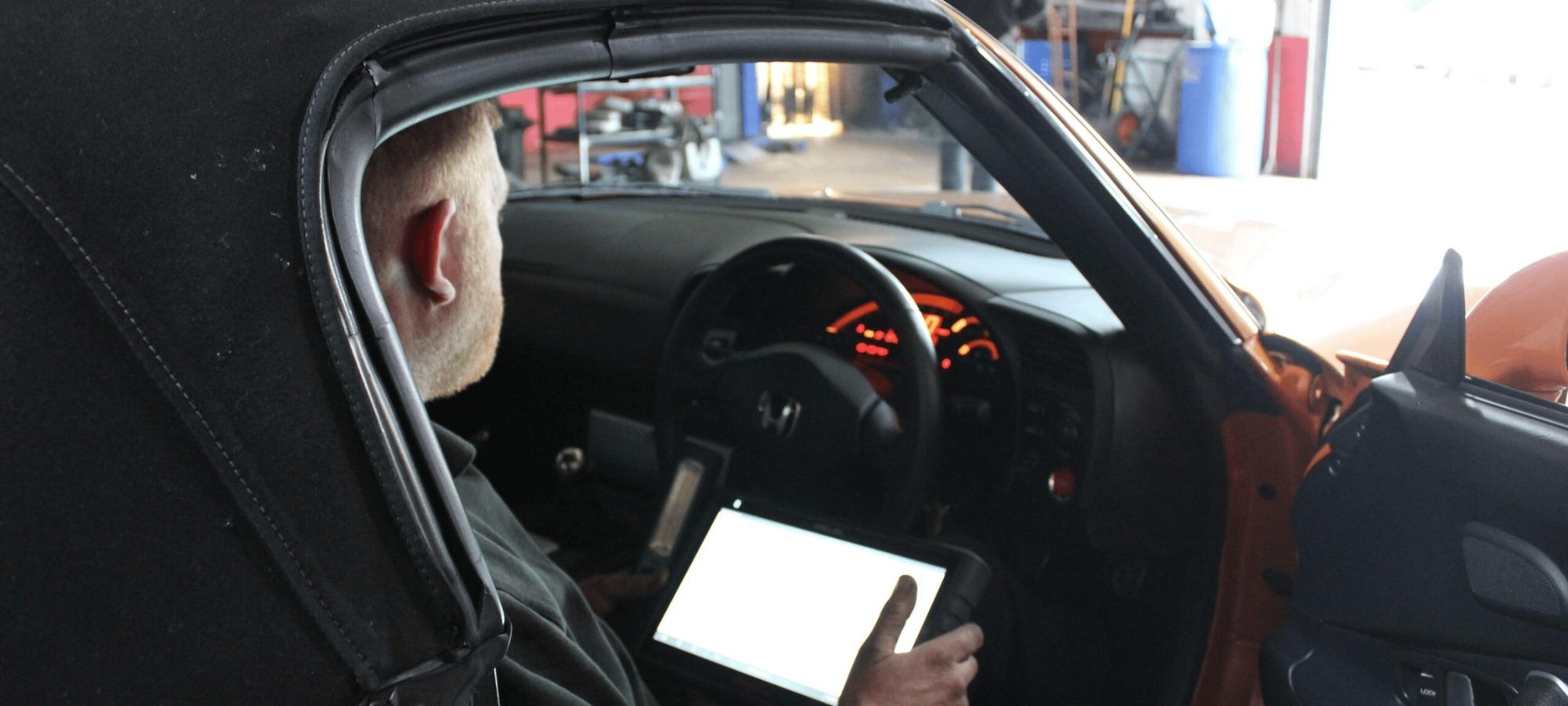
Regular servicing also provides an excellent opportunity to identify issues that may later require Vehicle Diagnostics if warning lights or performance problems begin to develop.
What Is Included In A Major Service?
A major service is the most comprehensive routine maintenance package available and is normally recommended every two years or around every 24,000 miles. However, this can vary depending on the manufacturer’s servicing schedule, so it’s always worth checking your vehicle handbook or asking a member of our Garage Worcester team for advice.
A major service includes everything carried out during a full service but goes further by replacing additional service items that naturally wear over time. Depending on the vehicle, this may include replacing the air filter, fuel filter, cabin pollen filter and spark plugs. More detailed inspections are also carried out to ensure the vehicle continues to operate safely and efficiently.
Many drivers view a major service as a significant expense, but it is often far cheaper than repairing the problems that can develop when routine maintenance is neglected.
Does Servicing Help You Pass Your MOT?
Although a service and an MOT are two completely different inspections, regular servicing can significantly improve the likelihood of passing your MOT first time.
An MOT simply checks whether your vehicle meets the minimum legal safety and environmental standards on the day of the test. It does not replace routine maintenance.
During a service, technicians inspect many of the same components that are checked during an MOT, including the brakes, tyres, suspension, steering, lights and other important safety systems.
By identifying worn or damaged components before your annual MOT, you have the opportunity to repair them before they result in a failed test.
Many customers choose to book their MOT and service together because it provides peace of mind and reduces the risk of unexpected repair bills.
Further information about MOT requirements is available through GOV.UK MOT guidance and the DVSA.
Can Regular Servicing Improve Fuel Economy?
Yes, it often can.
As engine oil ages and filters become dirty, the engine has to work harder to produce the same performance. This can increase fuel consumption and reduce efficiency.
A clean air filter allows the engine to breathe properly, fresh engine oil reduces internal friction and a well-maintained engine generally operates more efficiently.
Even relatively small issues, such as worn spark plugs or partially blocked filters, can affect fuel economy over time.
For drivers covering long distances across Worcestershire or commuting daily between Worcester, Malvern and Droitwich, improved fuel efficiency can lead to noticeable savings over the course of a year.
Can Servicing Extend The Life Of Your Car?
One of the biggest advantages of regular servicing is that it helps maximise the lifespan of your vehicle.
Every engine contains hundreds of moving components that rely on clean oil and proper lubrication. Without regular maintenance, these components experience greater wear, increasing the likelihood of expensive repairs.
Routine servicing allows worn parts to be replaced before they fail completely. It also helps identify developing faults that may otherwise remain unnoticed until they become much more serious.
Vehicles with a comprehensive service history are often more reliable, retain their value better and are generally more attractive to future buyers.
Regular Car Servicing Worcester appointments are one of the simplest ways to protect your investment.
What Happens If You Skip A Service?
Many motorists delay servicing because their car appears to be driving normally.
Unfortunately, many mechanical problems develop gradually and may not produce obvious symptoms until significant damage has already occurred.
Old engine oil loses its protective qualities, filters become clogged and important fluids deteriorate over time.
Without regular servicing, engine wear increases, fuel economy often declines and smaller issues can develop into major mechanical failures.
Skipping services can also lead to increased emissions, reduced reliability and higher repair costs later.
In some cases, failing to follow the manufacturer’s recommended servicing schedule may even affect warranty cover.
How Much Does A Car Service Cost?
The cost of servicing depends on several factors, including the make and model of your vehicle, its age and the type of service required.
An interim service generally costs less than a full or major service because fewer components are replaced and the inspection is less comprehensive.
Although servicing represents a routine ownership cost, it is usually far less expensive than repairing an engine damaged through neglected maintenance or replacing components that have worn excessively due to a lack of servicing.
Looking after your vehicle proactively is almost always the more economical option.
If you’re unsure which level of servicing your vehicle requires, our Car Servicing team will be happy to advise.
Does The Type Of Driving Affect Servicing?
Absolutely.
The way you use your vehicle has a significant impact on how quickly components wear.
Cars that spend most of their time making short journeys around Worcester often experience greater engine wear because the engine doesn’t always reach its optimum operating temperature.
Vehicles driven regularly in heavy traffic are likely to experience increased brake and clutch wear, while those used for towing or carrying heavy loads place additional strain on the engine, suspension and braking system.
Higher-mileage vehicles naturally require more frequent servicing because components wear more quickly through increased use.
By understanding how your vehicle is driven, we can recommend the most appropriate servicing schedule for your individual needs.
Real Project Example
A customer from Pershore contacted us because their car had become noticeably noisier and fuel consumption had increased over several months.
The vehicle had not been serviced for over two years because no warning lights had appeared and it continued to drive normally.
Following a full inspection, we found that the engine oil had deteriorated significantly, the air filter was heavily contaminated and the spark plugs were approaching the end of their service life.
After carrying out a full service and replacing the worn components, the vehicle ran much more smoothly, fuel economy improved and the customer commented that the car felt noticeably more responsive.
A few weeks later, the vehicle passed its annual MOT in Worcester without requiring any additional repairs.
Common Mistakes Drivers Make
One of the biggest mistakes motorists make is assuming that servicing isn’t necessary because the vehicle seems to be running perfectly.
Many faults develop slowly and may not become noticeable until significant wear has already occurred.
Another common misconception is that passing an MOT means a service isn’t required. In reality, an MOT is a legal safety inspection, whereas servicing is preventative maintenance designed to keep the vehicle in the best possible condition.
Some drivers also ignore manufacturer servicing schedules or delay servicing to save money. Unfortunately, this often results in more expensive repairs later.
Finally, warning lights should never be ignored. If a dashboard warning light appears, arranging Vehicle Diagnostics Worcester as soon as possible can often identify the issue before it becomes a major fault.
Why Professional Servicing Saves Money
Professional servicing is about much more than simply changing the engine oil.
It provides an opportunity to identify developing faults while they are still relatively inexpensive to repair.
Replacing a worn component before it fails completely is often significantly cheaper than repairing the damage caused when it breaks.
Routine servicing also helps maintain fuel efficiency, improve reliability and reduce the likelihood of unexpected breakdowns.
For drivers throughout Worcester and the surrounding areas, regular Car Servicing, combined with Vehicle Diagnostics in Worcester where required, is one of the most cost-effective ways to reduce long-term ownership costs while keeping a vehicle safe, reliable and ready for its annual MOT.
Related Reading
If you’d like to learn more about keeping your vehicle safe, reliable and cost-effective to run, you may also find these guides useful:
- Why Do Cars Fail Their MOT In Worcester?
- Understanding Vehicle Diagnostics
- Prepare Your Car For MOT In Worcester
- Why More Worcester Drivers Are Choosing Lowes Garage
These articles explain how regular maintenance, early fault diagnosis and preventative servicing can help you avoid unexpected repair bills and keep your vehicle performing at its best.
Frequently Asked Questions
1. How often should I service my car?
Most manufacturers recommend servicing your vehicle every 12 months or every 12,000 miles, whichever comes first. However, vehicles that cover high mileage or regularly make short journeys may benefit from more frequent servicing.
2. Is servicing really necessary if my car feels fine?
Yes. Many mechanical problems develop gradually and may not produce noticeable symptoms until significant wear has already occurred. Regular servicing helps identify these issues early.
3. What’s the difference between an interim, full and major service?
An interim service focuses on routine maintenance between annual services and is ideal for higher-mileage drivers. A full service is usually carried out every year and includes a more comprehensive inspection. A major service is the most detailed and typically includes replacing additional filters and other service items at longer intervals.
4. Is a service the same as an MOT?
No. An MOT is a legal inspection to ensure your vehicle meets minimum road safety and environmental standards. A service is preventative maintenance designed to keep your vehicle running safely, efficiently and reliably.
5. Can regular servicing improve fuel economy?
Yes. Fresh engine oil, clean filters and properly maintained components help your engine run more efficiently, which can improve fuel consumption over time.
6. Will servicing reduce the chance of an MOT failure?
Although servicing and MOT testing are different, regular maintenance often identifies worn tyres, brake issues, suspension wear and other faults before they result in a failed MOT.
7. How long does a car service take?
This depends on the type of service and the vehicle. An interim service is generally quicker than a full or major service. We’ll always advise you of the expected timescale when booking your vehicle.
8. Does servicing increase the value of my car?
A comprehensive service history is often viewed positively by prospective buyers. It demonstrates that the vehicle has been maintained properly and can help support its resale value.
9. What happens if I ignore my manufacturer’s service schedule?
Ignoring recommended service intervals can lead to increased engine wear, reduced fuel economy, higher repair costs and, in some cases, may affect any remaining manufacturer warranty.
10. How do I know which service my vehicle needs?
If you’re unsure, our Car Servicing Worcester team can advise you based on your vehicle’s age, mileage, service history and the manufacturer’s recommendations.
Key Takeaways
Regular servicing is one of the simplest and most effective ways to keep your vehicle safe, reliable and economical to run.
Most cars should be serviced every 12 months or every 12,000 miles, although your driving habits and annual mileage may mean more frequent maintenance is beneficial.
Routine servicing helps improve fuel efficiency, reduce wear, identify developing faults and minimise the risk of unexpected breakdowns.
It can also increase the likelihood of passing your annual MOT in Worcester, helping you avoid unnecessary inconvenience and repair costs.
Looking after your vehicle today can prevent much larger expenses in the future.
Conclusion
Regular servicing is an investment in the long-term health of your vehicle.
While it may be tempting to delay maintenance when everything appears to be running smoothly, many costly repairs begin as small issues that could have been identified much earlier.
Keeping to the manufacturer’s recommended service schedule helps maintain performance, improve fuel economy and reduce the likelihood of unexpected breakdowns.
Whether you use your vehicle for commuting around Worcester, travelling across Worcestershire or longer journeys throughout the UK, routine servicing provides peace of mind that your car is operating safely and efficiently.
By taking a proactive approach to maintenance, you’ll protect your vehicle, improve its reliability and potentially save a considerable amount of money over its lifetime.
Need Advice?
If you’re unsure when your vehicle is next due for a service or would like friendly, honest advice about maintaining your car, we’re here to help.
Lowes Garage
6 Venture Business Park
Weir Lane
Worcester
WR2 4AY
Telephone: 01905 426533
We provide professional Car Servicing, MOT, Vehicle Diagnostics, brake repairs, clutch repairs and general vehicle maintenance for customers across Worcester, Malvern, Droitwich, Pershore and the surrounding areas.
Whether your car needs an interim service, full service or major service, our experienced team will ensure it’s maintained to a high standard using quality parts and expert workmanship.
Please contact us to book your next service or to discuss the best maintenance schedule for your vehicle.